


Despite growing awareness of neurodiversity in the workplace, a significant gap remains between intention and experience. While many organisations believe they are inclusive, a large proportion of neurodivergent employees continue to feel disadvantaged, misunderstood, or unsupported at work.
This webinar brings together a panel of expert voices in the field to explore why this gap exists, and crucially, what employers can do to close it.
Through a candid and practical discussion and drawing on our research with 500 UK employers and 1,000 neurodivergent employees, we’ll examine the everyday obstacles neurodivergent employees face, from burnout and masking to stigma and a lack of psychological safety.
We’ll also unpack some of the systemic challenges that organisations encounter, including competing business priorities, uncertainty about how to provide support, and a fear of ‘getting it wrong’.
Our panel will share insights into how the conversation around neurodiversity has evolved and where it still needs to go.
Together, we’ll look beyond awareness and explore how organisations can move from good intentions to meaningful, embedded change.
There will also be an opportunity to put your questions to the panel in the live Q&A.
Key themes we’ll cover include:
The perception vs reality gap in workplace inclusion
Why neuroinclusion is still often deprioritised at a leadership level
The impact of burnout, masking, and emotional labour on neurodivergent employees
How stigma affects disclosure, wellbeing, and psychological safety
What effective manager training and support really looks like
The balance between removing barriers and unlocking strengths
How to build systems and cultures that support individual needs at scale
Importantly, the session won’t just focus on challenges, it will highlight actionable ways organisations can create more supportive, inclusive environments where all employees, both neurodivergent and neurotypical, can thrive.
Whether you’re a business leader, hiring manager, HR professional, or someone passionate about building more inclusive workplaces, this webinar will provide valuable perspectives, practical insights, and clear steps to help turn intention into impact.
Our speakers:
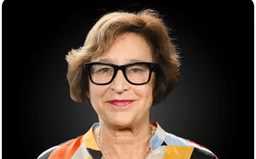
Professor Amanda Kirby MBBS MRCGP PhD FCGI - Founder, DoIT Solutions
Amanda is an Emeritus Professor at the University of South Wales, Honorary Professor at Cardiff University, and Visiting Professor at Trinity College Dublin. She is the Founder and CEO of Do-IT Solutions, a globally recognised company specialising in neurodiversity screening and support tools for education and employment.
With more than 35 years of clinical and research experience in neurodiversity, Amanda has authored 10 books and over 100 research papers. Her 2021 book, ‘Neurodiversity at work’, won the EDI Business Book Award. She was the chair of the ADHD Foundation and has worked closely with several other charities in this sector.
She has won numerous awards during her career including ‘GP of the year’, ‘Diversity power list’, and the ‘HR most influential thinkers in 2022’. Her passion remains championing neurodivergent talent and creating inclusive workplaces as a parent, grandparent of neurodivergent family members as well as recognising herself as having neurodivergent traits.
Hannah Awonuga - Founder & CEO, Illume Executive Consulting
Hannah is the Founder & CEO of Illume Executive Consulting - a pioneering cultural governance consultancy helping high-growth companies link culture and inclusion to governance, leadership and business growth
She is also an award-winning cultural inclusion leader, named in the 2025/2026 ‘Top 20 DEI expert in the UK’, with over 20 years of corporate experience. A passionate advocate for socioeconomic inclusion, organisational culture and engagement, she draws on her experience to challenge systems and unlock new possibilities for equity and representation. Hannah has been recognised as one of HR Magazine’s ‘Top 25 most influential DEI practitioners’, is a sought-after keynote speaker, facilitator, and trusted voice in the future of inclusive leadership.
Dr Lauren Breese - Clinical Psychologist, The Neurodiversity Practice
Lauren is a Clinical Psychologist with over 15 years’ experience within specialist NHS services, supporting neurodivergent people across the lifespan. Her expertise lies in providing psychologically informed assessments for autism, ADHD and AuDHD, along with tailored psychological therapy for neurodivergent individuals. She has a special interest in helping people to succeed at work, as well as those who may have experienced difficulties in the past which are holding them back in the present.
She also provides consultations and training to organisations and teams to help them to authentically embrace neuroinclusivity within their workplace culture.
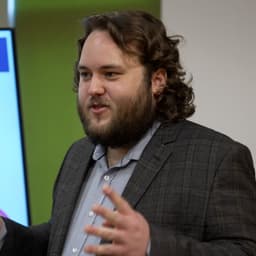
Gregory Kearns - Associate Trainer, The Brain Charity
Gregory is one of The Brain Charity’s lead Associate Trainers for their ‘Neurodiversity in the workplace’ training. He has delivered workshops for participants from a wide range of industry, public, and third sector backgrounds, to high acclaim, with many clients respecting the engaging way he brings content across.
In 2023, Gregory represented The Brain Charity’s ‘Neurodiversity training on ITN business’ in the TV programme: ‘Inside neurology: Our unique brain.’
Greg brings a wealth of direct lived experience as a neurodivergent person, with perspectives on both having a life-long neurological condition and experience with later diagnosis in adulthood. This enables him to respond to the lived experiences of training delegates, at the same time as speaking for best practice in workplace disclosure and workforce optimisation.