



Watch the episode
Listen to the episode
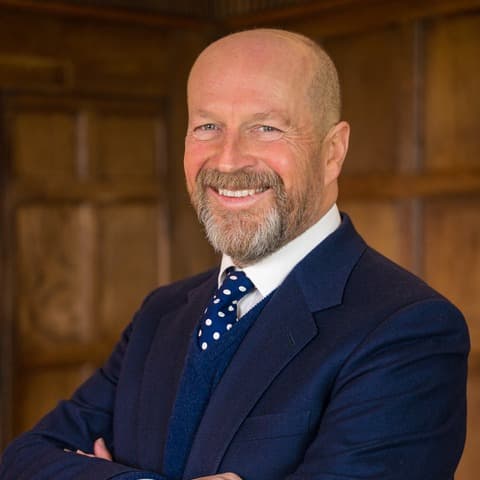
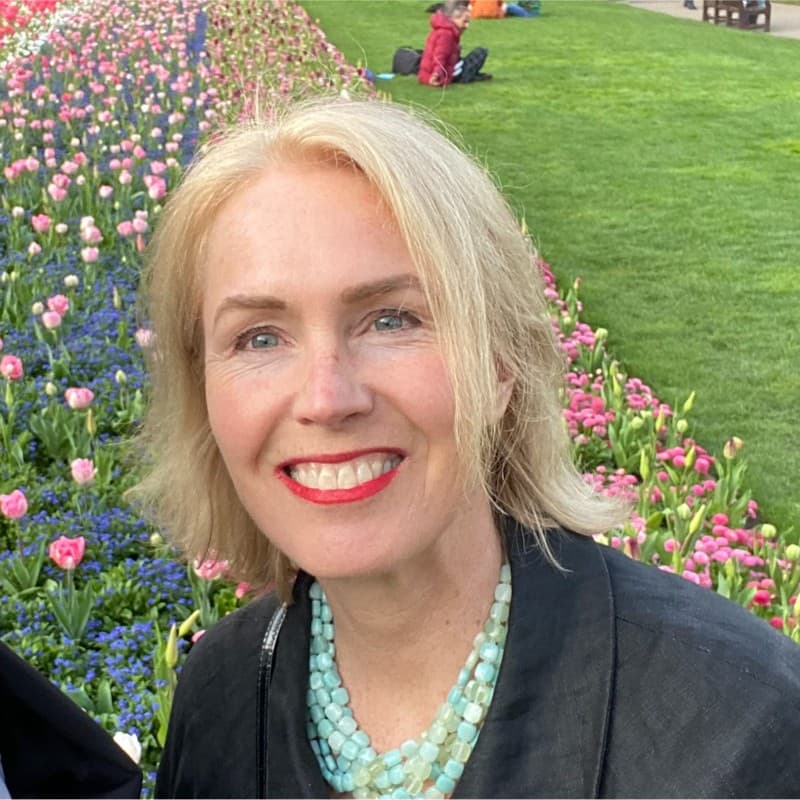
In this episode of all about business, James Reed speaks with Elizabeth McKay, Director and CEO of the London Transport Museum. While many perceive museums as static archives, Elizabeth explains how she applies commercial strategy to ensure one of London’s most iconic cultural landmarks remains financially sustainable and relevant in a modern economy.
Elizabeth shares insights from her unconventional career journey and explains why the museum identifies as the best in the world for urban transport. They explore the evolution of work through the lens of London’s history, from the original chairmen who carried sedan chairs to the navvies who hand-dug the first underground network.
Together they discuss the balance between preserving heritage and driving innovation, including the story of Harry Beck’s revolutionary tube map and how it was initially rejected for being too radical. Elizabeth also outlines the realities of leading a cultural institution that functions as both a charity and a successful commercial entity.
This conversation offers a unique look at leadership, category definition, and the strategic thinking required to manage a world-class institution.
Timestamps (Video)
02:58 transport history highlights
11:00 young entrepreneurs message
21:14 design DNA of Transport for London
25:36 running the museum business
34:37 leading through uncertainty
41:31 funding model explained
46:20 youth skills pipeline
Timestamps (Audio)
01:48 transport history highlights
09:50 young entrepreneurs message
20:04 design DNA of Transport for London
24:26 running the museum business
33:27 leading through uncertainty
40:21 funding model explained
45:10 youth skills pipeline
Follow James Reed on Linkedin: https://www.linkedin.com/in/chairmanjames/
Follow Elizabeth McKay on LinkedIn: https://www.linkedin.com/in/elizabethmckay1/
Find out more about London Transport Museum and their exhibitions here: https://www.ltmuseum.co.uk/
Submit your application to Reed’s entrepreneurs fund for a chance to win a £20,000 grant: https://www.reed.com/entrepreneurs
[00:00:23] Well, today on All About Business, I'm really delighted to welcome Elizabeth McKay, um, who is the director and CEO of the London Transport Museum. And, uh, I've got so many questions for you, Elizabeth, because the London Transport Museum is just around the corner from my office in Covent Garden.
[00:00:41] Yes. It's a wonderful institution that, um, is packed with young people and children obviously enjoying themselves, and some older visitors like myself as well. And I, I went just the other day knowing you were coming in to see me in the studio and had a good tour. Uh, something I recommend to [00:01:00] anyone who's got a, a, a, a bit of time in Covent Garden.
[00:01:03] But what really impressed me was the sort of way it displayed how technology and transport had changed over really hundreds of years. And the first exhibit I saw coming out of the lift at the top was two men carrying another man in a sedan chair. Mm. And apparently their job titles, the people who carried people in sedan chairs, was chairman.
[00:01:27] Which I thought was interesting. Yeah. And then there was a quote from a man in, uh, from 1877 saying he was no longer, uh, working the ribbons, and he was a coachman, and the ribbons were the reins. And, and he obviously drove an omnibus around London. Yes. Yeah. And, and it was this that made me observe how jobs come and go somewhat, and the Transport Museum really brought that vividly to life.
[00:01:50] So you run this, uh, organization. It's a museum. I think it has many things in common with a business. Um, what does success look [00:02:00] like for you? What, what, what are your sort of key goals and drivers? Well, first of all, I'm glad you enjoyed your visit- Yeah ... because it, the museum is a really special place, and it is the best museum of urban transport in the world, and- Say that again It's the best museum-
[00:02:15] of urban transport in the world. That's in London, everyone. No- Good? Absolutely. And- Covent Garden, you should visit. Yeah It's really important that you define your own category, because then we can assert that we are the best. And- Mm ... but I truly believe that. And when, and I love that you started where the journey does start in the museum.
[00:02:33] We tell the story of- The last 200 years of how transport has shaped London, you know. And those jobs have come and gone, and they're, they're really, it's really fascinating to see that. And as you, you know, wind your way through the museum, you find out about, um, how tunnels were dug. You find out about the amazing, uh, design history.
[00:02:53] The social history's really fascinating, and I get that feedback all the time. You know, "We came for the buses [00:03:00] and the trains, but we learnt so much about London and how it was created." The other, the, the other... I'm just thinking about all the things that I saw, and there are lots of things going through my mind.
[00:03:10] But there was a photograph of a lot of men, they were men, digging tunnels for the- Yes ... and, and they were described as navvies at the time. The navvies. Mm-hmm. And they were described as fearless workers who had a great appetite for flesh. I mean, obviously they had to eat a lot 'cause they were hungry- ... I suppose, doing this incredible physical work.
[00:03:29] But it, it showed the sort of endeavour, you know, previous generations put into building this network that we all travel on and perhaps take for granted somewhat. I think so. I think so. We all just expect that it will work, and mostly it, it does. And when you look at the history, I mean, obviously the Underground was the first underground in the world, so it really kind of s- Another London first
[00:03:51] another London first. Absolutely. First Underground in the world, everyone. Yes. Yeah, so it was good. And then, and then later when you see- Mm ... the Tube map, you know, that was created by Harry Beck, who was in tr- [00:04:00] you know, worked for London Transport, you know, that map has informed and inspired all other transit maps in the world, too.
[00:04:08] So London really set the scene. And you have a, you have an amazing display sort of illustrating that when you walk in with lots of different languages, I think Chinese, Japanese, French, showing their different maps for their own systems. Yes, yes. Which was all inspired from that one. Definitely. Mm. So if you, if you travel anywhere, look at their maps because they're not, um, you know, they're not the topography of the city.
[00:04:31] They are like circuit drawings, and that's what Harry Beck was. He, he was designing circuits, and he never called, uh, what he created a map. He called it a diagram. Right. And it was too revolutionary when he, he presented it to his bosses at the time. They didn't... You know, this is one of those great stories of innovation, right?
[00:04:50] You know- Yeah ... things don't work all, like... But later it was embraced. Right And, you know, it's everywhere So he, he, he persisted- He per- ... which is very important for innovators [00:05:00] Absolutely Keep going. Keep going Never give up. So there are lots of good morals in this story. So, so the other thing I loved, there was an omnibus 'cause I, you know, weirdly I drive horses for fun.
[00:05:08] Oh, okay. So I do, I do play the ribbons, work the ribbons, uh, the reins 'cause I do that at home, uh, for fun. But was an omnibus which was pulled by two horses only, I think. But it had, i- it, it was advertising 10 passengers could sit inside, but 14 had to go outside, and I think that involved either sitting on the roof or clinging to the back.
[00:05:29] I don't know. It looked pretty precarious in some places. But that's a lot of people for two horses to pull. Yeah. Yeah. But it made me think, looking inside, it must have been quite good fun traveling then. I bet people talked to each other more because, you know, you're quite compact and you're sort of hanging on, and it must have been quite a communal experience as well.
[00:05:47] Now, sitting on the Underground, everyone's very quiet, looking at their phone. But my sense looking at these older vehicles was that they, there was a lot more sort of conversation. Is there, do you have any idea whether- Well ... or no, is that just conjecture? I would [00:06:00] say we all look at history through those rose-colored glasses.
[00:06:04] Um, there were ... It was probably not the most pleasant of journeys. W- you know, there were- Cold? Not ... Cold. Um, you know, it was really hard to be a driver. Um, life- You had to be tough sitting outside all day ... life was precarious. But- Oh ... you know, omnibus comes from- Lots of accidents, I suppose- Lots of accidents
[00:06:20] horses getting out of control. And it was a free-for-all then. You had all kinds of, um, rival bus companies vying for passengers, and this was before- This sounds quite exciting to me Well, yes, I guess so. We, we all, we all love it. We also don't want everything to be too man- managed somehow. So it was sort of free enterprise gone- Free enterprise gone mad So there were lots of separate
[00:06:40] Yes. Yeah. So we have a depot in, in Acton. I don't know if you've been there. So it's, it's- Yes. I have, actually ... it has ... Okay. Yeah. So it's packed with all the things we can't fit in- Oh ... the museum. But there's this one, uh, bus I love there. It's called the Chocolate Express, and it re- it, it kind of exemplifies the rivalry and, you know, talks about how you, they'd race around and [00:07:00] try to steal each other's routes and passengers.
[00:07:02] Yeah. So there must have been a sort of gang warfare aspect- Uh, well, I guess ... to this, I suspect. Oh, and that's one of the- Now we're, now we're having flights of fancy ... one of the dangers of, uh, uh, of, of, of that. So y- you, you've been running the museum, I believe, three years, and you worked there previously.
[00:07:19] So you, you obviously had the pandemic- Yes ... which would've meant you were shut, and then you had to sort of reopen and get things going again. What, what are your lessons from that experience? That's a good question. I mean, that was an existential crisis for us. And I think, you know, you look back now with such different hindsight.
[00:07:40] I, I remember we had a, an away day, um, with the whole, you know, management team maybe two weeks before, and we thought, "Should we talk about this, uh, this thing that we're hearing about?" You know, there was such a- Oh, just before the pandemic went sort of- Yeah, just such a denial ... viral. That's the wrong word, but- Yeah.
[00:07:56] Went vi- Yeah. Exactly. Oh. And so, you know, the last, um, hour of the, our [00:08:00] away day, you know, we, we started talking about contingency plans and things. So it just hit us all. I mean, I remember spending the weekend before, like, madly going to the theater as much as I could, 'cause I was just, you know, you just, we didn't know, and then suddenly everything started closing.
[00:08:14] We were not set up to work from home. You know, a lot of banks had their contingency plans, and they, they had practiced that. We, we really had to invent, you know, on the hoof. And of course, because, um, we're an independent charity, right? We're a heritage and education charity, but we're part of the TFL family.
[00:08:32] We're, you know, a wholly owned subsidiary, and so we benefited greatly from being able to tack into all that support, um, getting laptops sent to people. So you're a charity, you're part of a family. How does, how does that work? Uh, so- Well, it's, it's, uh, it's like you wanna have your cake and eat it, too. So you, we are a charity.
[00:08:51] Um, we have a purpose. It's a charitable purpose about igniting curiosity to shape the future. We do amazing outreach work with young people. Say that again. I like that. We, w- [00:09:00] We have a purpose. What is it? Yeah. Our purpose, we have a purpose, and our purpose is igniting, um... Sorry, you've just, you've just said it.
[00:09:08] You said it. You, igniting curiosity- Yes ... to shape the future, was it? We have a fantastic purpose, igniting curiosity to shape the future. And- You sold it to me, Elizabeth ... we- I think it's good. Yeah ... and we do that in so many ways, right? So, and part of, but we also have the support of TFL behind the scenes, and it's their collection that we look after.
[00:09:29] So it's a- Of course it is. That, uh, that makes complete sense now you explain it. Yes. So, um- Yeah, I mean it, and it was quite nostalgic for me, you know, going, 'cause I've grew up in London, seeing the 1963 Routemaster. Oh, yes. So I had such fun as a kid hanging on the back, you know, on those, you know, those are sort of the, the thing you could hold onto when you jumped on.
[00:09:51] Yes. And we used to just travel around London hanging on the back. Uh- And we have two on display. Did you see them? Yeah, I was really- Yeah ... pleased to see them, and I thought they looked great. So it was [00:10:00] sort of, it was good to see all those. And also some of the tube trains, some of the old tube trains that are there.
[00:10:05] Yes. Magnificent. Yeah. And they really look beautiful, actually. They're so well looked after. They really are. And do you know we take- Mm-hmm ... the 38 stock out on, on the line? So it's rare- Mm ... that museums get to take their collections, you know, out. Yes. Um, so we, we book heritage trips, um, for the hun- Oh, so people can sign up to go on a trip- Yes
[00:10:25] on one of these? Yes. Oh, right. And so, and it's all- How do you do that? Oh, well, we, it's publicized on our website. Yeah. And, um, there are certain times of the year we can do that because we require, obviously, a lot of support from, uh, LU, from the, uh, from TFL in order to do that. Sure. And so many enthusiasts who work for TFL w- really just want to help and make- Yes
[00:10:47] this, make it happen. Um, so when I- Oh, look out for that, everyone. That sounds like a fun outing. It wa- when I first joined the museum, um, it was the last steam train that ran into High Street Kensington. It was... I [00:11:00] didn't realize how amazing that was. Right. So I, that was in 2018 when I joined. That was a, there was a steam train- It was a steam train, yes
[00:11:07] that ran into High Street Ken- And the great thing was we were- Oh, I'm sorry to have missed that. Oh. That would've been great. It was great. Yeah. We were on the District line. And what I love about when you take out, you know, heritage stock, is some people are really excited, so you see the photographers- Yeah
[00:11:20] there waiting, and others have absolutely no idea. And typical Londoners, they'd look up and go, "Oh, yeah," and look down. As a, as a steam train rolls by. Yeah, yeah. Well, that's, that's, uh, being, uh, maintaining some, a, a c- a cool exterior. Exactly. So yeah. I did see the Flying Scotsman at Swindon once. That was pretty exciting.
[00:11:40] Ooh. So, so yeah, so it's a, it's a good, good thing to look at what other possibilities are in terms of traveling around. So your career, I'm really interested, you know, how did you become CEO of this wonderful museum? What, um, how do you, how do you start off on, on a career journey that takes you into this space, really?
[00:11:58] Could you give me a quick heads up of- [00:12:00] Hmm ... because I, I understand you're from the United States originally. What was your journey to the best transport museum in the world, in London, Elizabeth? N- something I never, ever would have thought, um, was remotely a possibility. So I, I moved to London to, uh, work in advertising.
[00:12:18] And then I went to the BBC because I wanted actually more meaning in my life. And then- The BBC left me and went to Manchester. So, but I've, by then I was really a Londoner, so I had to reinvent myself. So you weren't gonna go to Manchester, you're gonna stick in, stick in London? Manchester is a lovely place, but I felt like my life was in London, and- Sure, fair enough
[00:12:38] so- So is mine ... um, so then I, uh, thought, "Oh, what am I going to do next?" And because I f- was working in creative, uh, industries and the creative world, I kind of pivoted to, um, museums and historic houses as a kind of next step. So I went to Historic Royal Palaces that has the Tower of London and [00:13:00] Hampton Court, and it was an amazing job.
[00:13:03] So Historic Royal Palaces- Yes ... that's an organization. That's an organization, yes. And, and what's, what's it do? Well, it tells the stories of, of the monarchs and the people that have, you know, worked in the palaces, and it- Does it employ those wonderful Beefeaters at the Tower of London? It does. It does.
[00:13:19] 'Cause they, they're very good guides if anyone- Yes ... is looking for an entertaining morning out. They are fantastic- Uh, yeah ... good fun, and yeah, they d- they like to be called Yeoman Warders, not- So not Beefeaters, is that- But- Not PC ... they will answer to that. Will they? Okay. Yes. And then- Well, you wouldn't want to upset them, looking at them and saying- Would not upset them
[00:13:36] no And, um, and they're such ... I mean, that was a wonderful job because I got to really, um, create some exciting activities and festivals, and, you know, I r- I ran learning and engagement there. And then a job opened up at the, uh, London Transport Museum for- So, so hang on. You said you ran learning and engagement.
[00:13:56] Yes. So you've, you've come at this from a sort of educational- [00:14:00] Yes, yes ... background. So I guess that would be a common thread. So, um, not in advertising, but that was probably about, um, understanding audiences and people and what motivates them. Yes. And that led to my job at BBC Learning, which was about, um, which was an amazing job.
[00:14:15] It had a, a kind of, again, one of those purposes, Reithian purposes- Yes ... about making people's lives better, and I thought, "That is something I would like to do." So that was a glorious time at the BBC, um, to work in kind of campaigns to encourage people to learn new skills or l- um, acquire new, or follow their passions and hobbies.
[00:14:38] And so that learning thread took me to a new job that Historic Royal Palaces had created as their chief learning and engagement officer. Right. So I got to, like, create something from scratch, so the, like, a whole new department. And then I- What were, what were the sort of things you, what you felt people could learn at a Historic Royal Palace?
[00:14:58] Well, I thought, [00:15:00] um... I'm not a historian. I started out studying history, and then for some reason I, I thought I had to do something different, and, and that's a whole other story. But I l- I'm really interested in history. So I thought, well, the things that really interest me I think would interest other people.
[00:15:14] So one was, uh, about the Tudors, how they used to go on progress. You know, they u- you know, the whole court would pack up And travel Oh, this is the Tudor family, the royal family The, the, everyone. And they would descend on- All right ... people, and they'd have to host them. And I thought, "What an amazing way to actually take the experience of being in a palace out."
[00:15:35] So that was one thing I, I, was an initiative. I wanted to take the Tudors out to the people and- Well, how did you do that? Well, we created a festival that could- Right ... could travel. We started by doing it, you know, in- So you're minding your own business and then Henry VIII and his family turn up somewhere.
[00:15:50] Yes, exactly. That sounds horrifying. Well, well- So awesome. Is that what happened? I know. It would have been- Oh, yeah. It would have been- It would, it would, it would bankrupt some people, right? Yeah. So you had to be- I'm, I'm not sure I'd be [00:16:00] delighted. You had to like ... Yeah, but you had to pretend. You had to pretend, yeah.
[00:16:03] But I, at the time, and it never happened, but I thought it would've been genius to take the Tudor experience to Butlins. Oh, yeah. So I was working on that, you know. So it was things like that that I thought were challenging. Did the Tudors, Tudors ever go to Butlins? They never did. I still th- I like the visuals of that.
[00:16:19] I still think they should. Yeah. I still think they should. Because the point is about making these things accessible. Right. And often museums and culture are off-putting. They can be off-putting to people. They feel like it's not for them, and I think you have to work really hard to make it fun and accessible and inviting.
[00:16:38] So that's the, that's the sort of approach you've brought to the- That's what I've- ... Transport Museum ... that's what I, yeah, really thought about. And I think the Transport Museum, London Transport Museum, has always been really inviting and open, and I remember going there when my children were young, uh, before I would ever have considered that I'd work there.
[00:16:58] Yes. And how ... And [00:17:00] I think that's an important part of, of what the collection does. Children are let in free, aren't they? Yes. I noticed that. Yes. But- We've kept that. Yeah. It's kids are free, and we have a, an annual pass so you can- Yes. Which, which I now have. Oh, I'm so delighted. So I can use it again. That's good.
[00:17:15] You can come back and see the- I will. No, I'm going to. No, I'm gonna return. Yeah. So, so that's the way it works. So children are free, and then a, a, an adult gets an annual pass. Yes. And w- and that's part of making it financially accessible, but there are other ways you have to make organizations accessible because some people don't feel like museums are, are for them.
[00:17:35] Right. So that, I guess- So how do you change that feeling? You ... Well, one thing, I think we have a collection that people can relate to. So it's, you know, a, a, a Routemaster is a little bit easier to relate to than a Rubens, so w- that we have that going for us. But also with the kind of programming we do, with the, the messaging we do, the communication, all of those things signal, you know, we're here for you.[00:18:00]
[00:18:00] I really think it's important that all museums have, um, visits from school children, and that schools continue to fund that, um, and make that possible. 'Cause if you don't see these places as a child and your parents don't take you, you may never have this opportunity. Yeah. And you, and you've been quite sort of- Supportive of the STEAM curriculum.
[00:18:22] Yes Science, technology, engineering, arts now- Arts, yes ... and mathematics. Yes. So you- We love both. Yeah. STEM and STEAM, I don't see any conflict- So well, they've added arts, haven't they? I think STEAM is good because art's very important. I mean, we were just talking about the, the diagram. It's not a map, for instance.
[00:18:38] It's a diagram, yes. Um, so I mean, it's a ... Design is a combination of those things. Well, design- London's, London Transport has a history of really strong design, doesn't it? I mean, we spon- at Re- at Reid, we sponsor arts on the underground, which we've been doing for a while now. I l- I love that involvement.
[00:18:56] And, and there's an art map. I- I've shamelessly put it behind you there. That's great. [00:19:00] Um, which is- I love that you sponsor that. Yeah. It's- Well, we do that and well, we w- w- my grandfather was a graphic artist and, and he did propaganda posters in the Second World War, inclu- including- Wow ... things like Keep Calm and Carry On.
[00:19:12] And so I, I, and he grew up and lived in Hounslow. So I'm sort of interested in supporting creative arts, but I think tran- seeing things when you're traveling is, is really, really pleasing. Yes. And I'm just thinking coming here, you know, Tottenham Court Road station is a, is an amazing art installation as well.
[00:19:32] Yes. And there are many others, so. Well, design runs through the DNA of London Transport and TfL now. So it, it is an, part of the rich history. The poster collection we have is phenomenal. You can come and see some of the original artworks in the, in the depot. I'd love to do that, yeah. And we ha- yeah, y- definitely.
[00:19:50] Come and see that. And then we have an art deco exhibition on right now because it's, you know, 100 years- Yeah ... or 101 years now since, since art deco. Um, but [00:20:00] design, it's everywhere. Look at the, the design of the Leslie Green stations, the, the roundel. The iconic roundel is a design, um, element- Which stations are you thinking of?
[00:20:10] The roundel's everywhere. You see one- Oh, you mean the symbol of the, the, the- The symbol of the roundel ... the, the logo or whatever. Yes. That's what you call the roundel, yeah. Exactly. So if you show that to- Oh, sure. Yeah, yeah. Yeah, everyone knows what that is. Exact- and globally. Yes. I think it has one of the highest brand recognitions.
[00:20:23] So that and the, um, the, the font, you know, the Johnston font is, is a- Yes ... y- your brain registers that is TfL. But these are very longstanding. You know, these are designs that haven't changed. Definitely. And the original posters were designed to encourage ... You know, they had a purpose, right? Mm. They weren't just pretty pictures or art for art's sake.
[00:20:44] It was travel off peak, go to the zoo, go to Kew Gardens. And what, um, Frank Pick did, who was the kind of commissioner at the time, an incredible visionary man, he worked with the [00:21:00] best artists. Right. He commissioned amazing new work, and you can see his stamp on, aesthetic design stamp on everything. So design's really important, and I think sometimes it gets sort of Overlook to our cost Oh, agree.
[00:21:16] And it's- Yeah ... design is innovation, right? So d- innovation's about solving problems, and design does it in the simplest way, and it, it should be beautiful too. So there, there is- Design is innovation. I like that thought. So- No, it's definitely innovation. It's like- Hmm ... how do you design some- how do you create something to solve a problem?
[00:21:36] A communication problem, a, you know, a building, a, a thoroughfare. Transport problem A transport problem. So I d- I like the Elizabeth line. Oh, I do too. It took a long time coming, but now it's a, it's a pleasure to travel on. And it's beautifully designed actually. It is That's a sort of observation of mine.
[00:21:54] It is. It's a pleasure to be on it, isn't it? Yeah, it is. It's like a temple to, to transport. Do you [00:22:00] know that they first started thinking about it in the 1940s? Right. I mean, that- that's how long these things take. And I was reading, um, that it was presented and rejected by Parliament in 1991. Right. It's taken that l- and now we're all, "How did we live without the Elizabeth line?"
[00:22:18] Yeah. And it's really, um, it's opened up parts of London, um, that have been hard to get to in a brilliant way, I think. Yes. Yes. Well, transport does that, right? And e- Yeah ... now you can see... I mean, we tell the story about the creation of the suburbs because, you know, you build a line and then the houses follow.
[00:22:35] Uh-huh. Well, you can see that happening with transport all over the country. And, you know, the developers look at that, you know, holistically. And I th- I think, um, there've always been people who think about the shape of London and building the kind of city we want. And, you know, the more integrated those people can be and do it, you know, with beauty and, um, input from [00:23:00] people to make, you know, livable cities- Yeah
[00:23:02] I think the better. So it's a really important part of the sort of whole infrastructure, clearly. So running a museum, I mean, uh, you have to be like an entrepreneur, I believe. I mean, it's like running a business, isn't it? It is a business. I mean, you've got income, you've got costs, you've got- Definitely
[00:23:16] you know, lots of people working there. So what, what are your priorities? What do you focus on, Elizabeth? Well, i- you know, it is a business, but again, we have this purpose, which is a charitable purpose. We're an education heritage charity, so I have to balance that out. So, um, I have, I have like four aims. Um, content, engagement, um, people, and money.
[00:23:39] And I'm never shy about saying money's really important because we have to earn the money to make the rest of it happen. But we're also here- With our purpose to reach young people, to inspire them about the careers of the future. You know, we take their passions about transport when they're r- really young into helping them signpost their way to gain jobs.
[00:23:59] Yeah, a lot of [00:24:00] kids like transport, don't they? I don't know why that is. It's curious. Isn't it? Crazy. I love it. Trains and cars and things- Yeah ... especially. Yeah. They have their dinosaur- Dinosaurs ... phase, they have their- Yeah ... bus phase, and some, some never grow out of those. So they're your- So thank goodness
[00:24:13] they're your core market, huh? They are. So, yeah. So, okay, so you said, but money. Talk me through it. How does that work? I mean, you obviously sell tickets. Yes. Um, you've got a fabulous shop that's pretty big, I noticed. We have a, a- Uh ... a, it's a really diversified portfolio- Yeah ... and I think that's one of our strengths.
[00:24:30] So, you know, you asked me about COVID, and we really bounced back after COVID. We were one of the first to emerge, and I think it's because we were, we are small enough that we're agile, and we could play around with, you know, what's a public program, how do we pivot our Hidden London Tours, which were something we do in person.
[00:24:47] We take people into the ghost stations. Oh, this is another thing we need to know more about. Oh, it's another thing. Hidden London Tour. It is so amazing. So there's a, there's a, there's a station that's closed for the Strand just near here. Yes. Can you go- That's right ... in there? Well, you, you- How? ... go into Aldwych, [00:25:00] so- Oh, right
[00:25:00] underneath the, um, now a disused station. Oh. Be- those things happen as the, the network expands, right? So there are a number of them, and thanks to TfL, we're allowed to kind of manage and run a tour program. Right. And we have amazing guides who talk about the history of Aldwych. So you go down into the Aldwych?
[00:25:19] Yes. Oh. And it's very, it's all managed with kind of health and safety, and, and if you like to wear high vis, you get to do that, and- Not especially- ... behind the scenes ... but I'm happy to put high vis on- ... to see Aldwych underground. So, uh. Yeah. So, so i- it's part of our business model, right? Yeah. So we, in COVID, when we couldn't take tours down, we pivoted, and the team, like, one of my members of the team built a, a recording studio shed in his garden, and they started putting out YouTube content.
[00:25:47] You know- Right ... that's the kind of innovative activity. So you're seeking innovation from everybody all the time? Yes. And it- I, I, I am ... so, and f- your income goes, your, your income sources, from what I'm hearing, go beyond sort of people coming in- [00:26:00] Yes ... to taking them out and doing things elsewhere. Yes. So we have, like, commercial activities, and so Hidden London would be one of those.
[00:26:06] Our, our shop. Venue hire, so, you know, the museum's open 10:00 to 6:00, but at 6:00, like magic- Right ... it changes into an amazing party venue. Right. So people will come in and, um, you know, hire the museum for that. So might I ask, how much does it cost to hire? I have a brochure. You can find out Yeah ... online.
[00:26:27] All right. So, what, so the- No, and we, I've got a great team that will kind of work... So it's really like nothing- So it's negotiable- Everything's possible ... is that what you're saying? Everything's negotiable. Okay. All right. Yes, because there are different parts of the museum that can be used. Yeah. And then we have, um, well, as you know, you're a corporate member, so we- Yeah
[00:26:42] we have this great, um, interchange program, which is a thought leadership program with the, for the supply chain of TFL, and we hold, like, Chatham House Rules breakfasts and dinners and activities, and we put out a report every year about, [00:27:00] um, what, you know, the great thinkers are, are thinking and doing.
[00:27:04] We're, we're working on placemaking and sustainability and- Placemaking. So explain. Well, all kinds of things about creating cities and transport and the kind of places we want to live. So- You call it placemaking. Placemaking. Well, Covent Garden- Yeah ... if I di- if I digress for a moment- Yeah. No, go on. Please.
[00:27:21] That's what- Covent Garden- ... what this is all about. I wonder. Yeah. I'm really interested in this area of, like, how places become certain things. Well, I remember Covent Garden when it was a market. Yeah. Yeah. Well, we, the museum was one of the first cornerstones in its regeneration in 1980. Yeah. So it opened then.
[00:27:39] And you might know that in the '70s it was almost decimated. They almost turned Covent Garden into a car park. Yeah. And really it was the local- Yeah, it was quite a desolate area at one point, I remember- Yeah ... in the '70s. And then- Uh ... when the flower market left and it was just, it was the time of the rise of the car and the fascination with car and the, cars, and [00:28:00] fortunately, um, the local residents saved these wonderful buildings, and they listed I think about 280- Mm
[00:28:08] um, properties, and so we benefited, the museum benefited from that and opened in 1980. Um, and- What was the premises before? The flower market. It was part of the market. Yes. Yeah. You ever seen My Fair Lady? Yeah, yeah, I have. I watched it just the other day. It's fantastic. It's fa- Did you? Yeah, I did. Yeah.
[00:28:24] Well- I re-watched it recently. It is fantastic. It's not exactly, uh, accurate, but I love the depiction of everyone coming out- Well, no, it's entertainment ... But, I mean, it begins in Covent Garden, doesn't it? And, and- Yeah, coming out of the opera- Yeah ... in a, in, in a strange way that you can't quite figure out where, where it was filmed, but it's, it, wonderful.
[00:28:42] And, and, and her father's from Hounslow, just like mine. Oh. So, you know, we identify with Co- uh, in our family. So, yeah. Eliza Doolittle. Yeah, exactly. That was great. Um, so that's- Uh ... that's where it was, yeah. So that- Mm ... sense of... And, and that was really inspired by, uh, [00:29:00] placemaking in other parts of the world.
[00:29:01] If you look at, uh, Faneuil Hall in Boston or the Embarcadero in- San Francisco. Some of that thinking was brought to, you know, how do we make Covent Garden work? Oh, they, so they'd, so V&A Hall had been done before Covent Garden. Yeah, yeah. 'Cause that's a fabulous place as well. Oh, exactly. Yeah. And, you know, desolate but now thriving.
[00:29:18] So it was an old fish market, I suppose, in the old days, and they turned it into V&A Hall. Exactly. And then look at place like King's Cross and how that was regenerated. That's- Yeah ... incredible now, and a real kind of magnet for business and, um, people- So you feel, so your museum is part of that- We're part of that
[00:29:34] process. And, uh, yeah, I feel like we... And we're, we're o- opposite the Opera House, so I feel like we're the two kind of cultural cornerstones of Covent Garden. And I, we're about to embark on a redevelopment of the museum, and I think it, you know, everybody needs a little bit of a zhuzh up. Right. And that's what we're- Zhuzh up
[00:29:53] zhuzh up. Okay. So what's the, your zhuzh up involve roughly? Well, our zhuzh up is a, is a [00:30:00] investment in the museum to create some new galleries, to tell the stories of innovation, things that we're really passionate about but we've, frankly, we've lost, or we, we, we've run out of room. So- Yeah, I mean, it's a- We're, we, we, we pack it in, in- Yeah
[00:30:15] in our museum. So we're going to create a few new galleries, um, with kind of clever architectural engineering and be able to update some of our exhibits, um, some basic amenities too, like, you know- Fantastic ... toilets need to work. You know- Yeah ... museums love to talk about toilets, because visitors want nice toilets.
[00:30:36] So, you know, you gotta have that. So you're, you're investing in it. We are investing. And, and you, as a charity, I imagine you're doing a fund raise for this. Yes. Yes. So what's that involve? So we, we launch a fundraising, um, campaign in this summer. Uh, so- Yeah ... um, I'm not sure when this will go out, so summer 2026, you'll hear more about our- Oh, it should be out by then.
[00:30:53] Our fundraising. And, and, and you'll be, um, yeah. So I have to, I have to, I have to fill a gap. Right. So I have a, I [00:31:00] have a great pledge from TfL to- Well, you should use The Big Give, our, our charity platform where we match funds. I would love to do that. So if you can persuade TfL to put some money in the, in the, um, champion fund, then when the public donate it gets doubled.
[00:31:14] I would love- And people love The Big Give 'cause it, uh, their donations are doubled up. So we'd be very happy- I was dreaming about that ... to support this. Yeah, I mean- That would be- ... I think it's a great initiative ... when, if my head of development is listening to this- Well, well- ... or actually I'll go tell him right after, he will be- You might wanna make sure they do, yeah.
[00:31:28] He will be jumping for joy. We can help with that. Um, but yeah, but I mean, that's just one of many things you'd have to do, but so you need to raise some money to invest in the future of the museum. We do. And what that, and that new version that you're describing would last for? The next 50 years. Next 50 years- Well, I think-
[00:31:45] you're hoping, yeah. I think so. We're, I mean, we'll be 50 in 2030, so- Right ... the, the big kind of message is we need to be fit for the future, and so- So you wanna, yeah, this is gonna take you to 100? Yeah. Yeah. Yeah. And, and beyond. Yeah. No, well, it's good. I think [00:32:00] that's interesting. I mean, that's one thing entrepreneurs have to do is think- Well into the future, and- You have to have long-term planning
[00:32:06] great answers for the future. Yeah. That was the hardest thing about COVID, I think, because we were all just had to kind of take our eyes off the horizon, and suddenly it was day-to-day existence. And I think you have to retrain to look further and to kind of have ambition and get your, y- you know, get your mojo back.
[00:32:27] Yeah, my observation of this is in business, running a business, I, we have to think in days, like, what are we doing now, next week, and decades. Yes. And i- Yes ... it's either the immediate or the f- far out, where- Yes ... you have to have a vision for the future, um, and an- To- ... idea of what you're trying to do to deliver a service in the future, and so you can invest in that.
[00:32:48] Yes. Well- Which is what you're doing ... and d we are, and I mean, I guess, and you think about this, too, it's that sense of legacy. And I feel like I'm in this job right now to make this organization the best it can be [00:33:00] and to ensure it's here for posterity, and- Yes ... I feel that maybe people who work in kind of museums and look after these amazing places feel that real sense of responsibility and passion and like I, you know, I have to do this.
[00:33:18] Yeah, well, it's good that you do 'cause, uh, a lot of people care about it. Yeah. And so, uh, I, I would say that's a sort of necessary prerequisite of a cultural leader. Well- Well, I think it's a good prerequisite of any leader, actually. You have to care about what you're doing. I think so. But I think so, and I think sometimes you just have to dial it to 11 because you're ex- you have to convey that passion and convince people.
[00:33:42] You have to bring your team along with you because people get rattled by things all the time. Like, you know, you, you read the news, you, you catastrophize, and I think when you're a leader of a, of an organization and you employ people, they look to you for some kind of, [00:34:00] um, you know, I guess test or emotional, um, message.
[00:34:06] Yeah, it's interesting, that, 'cause they're, they're probably watching you when you don't know it. So- Yes ... you have to, you have to demonstrate a sort of confidence- Yes, you can never turn- ... in your- ... around and go, "Wah!" In your sort of day-to-day that, that, um, maybe you don't always necessarily feel. Well, I think that's probably something that anyone in a leadership position feels, that you, you think, "Oh, okay, I have to have my own way to just rant or go- Yes
[00:34:32] do something, run around. Yes. Yell at your spouse. I don't know. Well, I was gonna ask you how you do that. Now you've answered. So, but, uh, yeah. Don't take it home with you. Don't take it home. That's what I've been advised. Yeah, yeah. Um, so what are your, what are your biggest challenges, you know, as a CEO of a museum?
[00:34:54] Well, uh, always the biggest challenge is money, so I, and I have a board that is always like, [00:35:00] you know- Sort the money and the rest will follow. They're really happy with my exciting initiatives and the outreach we do with young people, and we're doing some amazing work on culture, bringing music and art and theater into the museum, and they're completely supportive of that, but it's, you know, the bottom line.
[00:35:19] So I'm ecstatic, I can tell you, that we had our best year ever in 2025. So they- Financially? Financially, and with admissions. How many visitors did you have? 450,000. Right. So best- That's a lot ... best ever. And there's an annual visitor ad- survey that's done, and it's come out, and it, it kind of gives a, a health check on the, on the UK cultural sector.
[00:35:43] So we're, um, in the top 100- Right ... um, which is great, and we grew 6% last year when the sector grew 2%. Right. So we've always been- So what do you put that down to? I mean, it's inter- these are real business metrics. These are business metrics. So you're outperforming the [00:36:00] market, so to speak. I'm outper- Yeah, exactly.
[00:36:01] But what are you doing to make that happen? What's the- Well, great leadership. I have an amazing team. Um, we're really, really- But what are they doing for the audience? What, why, why do people come? What- They come because we have relevant programming, we understand our audiences, we've pivoted to give the right content to the right people.
[00:36:18] Young kids love us, and parents. People like you come in and get excited about seeing- Mm ... you know, the, the Victorian gallery. I have an art deco, uh, exhibit- poster gallery on now, and we established a poster gallery, a permanent gallery for posters two years ago. That's really popular. We do exciting program in the evening.
[00:36:39] We are accessible- So you've sort of broadened the offer, in a way. Definitely have broadened the- I was thinking, y- as a, as a s- sort of business strategy, that was your plan. As a business strategy, you look, you look after your core audience- Mm ... because that, uh, but you have to grow, and you have to serve your- So who's your core audience?
[00:36:54] Well, you also, because we're a museum and a charity, we're here for everyone, right? Yeah. We are inclusive [00:37:00] and open, and it want to attract everyone. So we have to have a broad offer. Yeah. But our, we have, like any business, we'll have segments that we look. Yeah. And so we have the family segment- Yeah ... we have the, the young adult segment, and we have the older ma- uh, I, I, we don't often use the older term, but the k- learner, traditional learner's demographic, right?
[00:37:23] Who appreciated different kinds- Mm ... of experience. And- So there are three different sort of groups there. Y- yes. And then you want to encourage people- Mm ... to come at the right time, that they'll have the best experience. Right. Like, um, and we, we, you might find, as someone who doesn't want to be there with all the schoolkids, that coming- After they've left for the day in the afternoon- Yeah
[00:37:46] might be a more pleasant experience. So you kind of use nudges to encourage people to- Yeah ... visit at that time. Right. Um, so that, so- S- so your volumes are good. Our volumes are good. Does the, has the money followed [00:38:00] that? 'Cause you, you said your biggest challenge- Yes ... was money, I mean. Yes. So, well, admissions, obviously you have more people come, your admissions increase.
[00:38:08] Right. But we also have a good repeat, 'cause we want people to come back. Yeah. And it's free when they come back, but then you look at your secondary spend. So we- So when they come back, they're likely to spend something in the shop or... Yes. Uh. Or have a coffee or- Yeah ... something. And then they might find out about hi- those Hidden London tours and go on that.
[00:38:24] Or they might think, "Ooh, I love this place. I wanna take a train. I wanna go to the depot. I want to come back." So they, so yeah, so the, the sort of giving you a free access for a year is quite a big part of the strategy. Yes, yes. It's interesting. And it's also a really nice thing to do. Yeah. 'Cause we're a nice place.
[00:38:41] And I think- ... when you're a nice, welcoming place, and you walk in and you feel like you're, um, part of it, and you're happy- Yeah ... you'll come back. You know, you, we look at things like, um, you know, am I- Yeah, I agree with that. Mm. Am I, yeah, am I telling my friends about it? And all of those kinds [00:39:00] of business metrics.
[00:39:01] Yes. So, and in terms of your finances, I just want to understand, do you have to apply for public support? Um- From, or is it all from the tickets and the charity donations from the public? It's, it's unique. So, um, museum and culture funding is, is a, like, a PhD area, right? It's hotly discussed, and I think in the papers they're already talking about, you know, should the national museum start charging, and comparing that to internationally.
[00:39:27] But we- Well, they do in other countries. Mm. Yes, exa- Mm ... exactly. And I was just reading about, um, some of those comparisons. But, uh, London Transport Museum, 'cause we're part of the mothership of TFL, we have a grant from them, and they're, and that's about 20%. Right. And that is really to look after their collection.
[00:39:48] So our curatorial staff, and, and to house and care for it- Mm ... is what that grant does. Now, we're responsible for the other 80%, and we earn- Right ... that. And that's pretty impressive in the [00:40:00] museum world. So if you look at the nationals, I mean, they might be anywhere between, um, you know, 40, 60% of, of, of a grant.
[00:40:08] Increasingly, we all have to, you know, earn more, and that's where you see, um, more commercial activity coming in. Uh- Yes ... we don't, uh, charge for our exhibitions, so the nationals often will have, uh, exhibitions where you need to pay to come and see the- Yes ... the big hitters. And, and that's just a reality. So it's- So, but, but our model is, uh, you know, the annual pass, and once you're part of the family, come back as much as you like.
[00:40:37] Yeah. And that works for us. How long have you had that model? Um, since before I arrived. Yeah. And I think we l- we, you know, periodically we review it, but we feel that the kids go free message is really important. Um, you know, another organization that, um, that's near to my heart and is the ENO. They also do a kids go free- Mm
[00:40:58] um, uh, [00:41:00] uh, offer. And I think the, the point about culture is you have to a- encourage people in early. So as I- So you're taking a really long view here. I think you have to take a long view. You know, it's that whole cradle, cradle... You don't wanna say cradle to grave, but, like, the whole lifespan. You just did.
[00:41:19] Womb to tomb is another one. Womb to tomb. Oh, I haven't heard that. I haven't heard that. Yeah, we're not quite doing that. So, yeah. So yeah, but I can see that if you get someone interested early in their life, you know. Yes. Well, it's habits, isn't it? And- Well, well that's what education's about in many ways.
[00:41:36] I mean, w- the people end up pursuing different lines of work, different things, but some of them will be interested in transport and- Exactly ... museums. It... But if they see it, you know, that whole point about you can only be what you see. Mm. And getting access to people who do jobs, I mean, you, you must see- Mm
[00:41:53] this in, in what you do. Well, it's really important for schools. It's really important for schools. I, I've done a couple talks, [00:42:00] um, with schools and, you know, have gone into, to... And it's a, it's so fascinating to do that, and humbling too, 'cause I, I think, you know, I, I've had opportunities for my education, but I also grew up at a time where it was important to have, like, breadth of education.
[00:42:15] Mm. And that's a key difference in, with the UK system versus when I grew up in the US system, is you have to narrow and choose so, so early. Although that's changing, hopefully, with the new vocational levels or V levels, which I'm really pleased to see- Yes ... and excited about. Yes. Which transport should be one, huh?
[00:42:34] Yes, yes. We should be encouraging this. Yes. So what do the kids ask you when you go and talk to schools? They, w- well, they kind of go, "Uh." No, they ask me, "How, well, how, how do you get into this?" And, and I say, "Well, I think you have to be open for change, and you have to be able to s- reinvent yourself and take your skills and apply them to a new opportunity," because we all know that half the jobs won't [00:43:00] exist.
[00:43:00] I mean, with AI coming, it's, it's happening, you know, really rapidly. So I say, you know, "Think about following your passions and what you love, and then you can translate that into opportunities." Right. I agree with that Oh, that's good. I was- I agree ... so I was l- I agree with- The way you were looking at me- No, we, I, I read-
[00:43:20] I thought, "Uh-oh." No, we, no, I was just thinking, 'cause at REED we say, "Success is as easy as PIE." I've said this before, but PIE stands for Passion, Ideas, and Energy, and you seem to be endorsing this. I definitely endorse that. I endorse that. Good. Yeah. Good. I, I have noticed even my own children, one's like the humanities kid and one's the science kid, and how those passions can diverge quite early.
[00:43:45] So I, I feel like it's a mixed... I have mixed feelings about- Yeah ... early focus now. Yeah. No, I understand that. You've talked a lot of, in our conversation so far, as with about the importance of innovation. And, um, [00:44:00] you w- you introduced the Transported by Culture initiative, um, when you became CEO at the, at the London Transport Museum.
[00:44:07] Could you tell me a little bit about that? I, this is real passion project. So it, the inspiration for it w- goes back to 2022 when, um, there was a lot of funding for the arts cut in London. And I had a conversation, very, very quick conversation with, um, the mayor and the deputy mayor at our annual fundraising dinner about that, just, you know, off the cuff.
[00:44:33] And it, I thought, "I have to do something about this." So what I did was repurposed four of our existing posters in our collection to celebrate cultural organizations in London. And with the help of TFL, we put them out on the network. Right. So then they became transport posters. So which were the cult- which were the organizations?
[00:44:54] Well, it was, um, ENO- Mm-hmm ... uh, Southbank Centre, Royal Opera House, [00:45:00] and, um, let's see. What, if I just... Oh, and, and, um, LSO, uh, London Symphony Orchestra. So- And, and ENO is the English National Opera? Yeah, English National, um- Yeah ... Opera, Royal Opera House, L- um, London Symphony Orchestra, and the Southbank Centre.
[00:45:17] Yeah. And they'd all had some cuts, and so that was, that was the point. But they were also iconic institutions for us in London, and they all had a special place in my own heart, and they had links to our poster collection as well. Right. So that was the start of it. And I thought, "Well, what more can I do?"
[00:45:37] So we've started to commission new artists to do new posters so they become part of the collection. And officially to be a transport poster, it has to go on the line. Right. So I have wonderful support from TFL and the mayor to do that. Um, and I've just announced the, uh, second year of our music [00:46:00] program.
[00:46:00] So we, um, we've taken the skills work that we do with, uh, young people into arts. So we auditioned, uh, and cast 11 young musicians to come and play for our visitors. And so that happens every Friday afternoon in the gallery. So people will come and sit and listen, or they'll have no idea what's happening So every Friday there, there are different young musicians Every Friday, a different musician in, in the cohort.
[00:46:26] So last year we had a wonderful cohort of musicians, and some of them are going on to amazing careers. I mean, we're getting them just at the start of their brilliant- Sure ... next step. Well, this is another thing that people probably don't know. So if you go on a Friday afternoon, you have a concert thrown in.
[00:46:43] Yes, 2:00. Right. Very good. You can buy a latte that has a roundel design on it and sit and enjoy. Yeah. If you got... Yeah, when you finished your work, go enjoy. And, and theater. We have a theater that is underneath the shop, and a lot of people don't know that, and I've been trying to use that for some more kind of [00:47:00] creative theatrical productions.
[00:47:01] So- You have your own theater? We have a theater. It's, uh- And so this... So there's lots of options here. Yeah. So how many does it seat, your theater? Uh, 110 people. Right. So it's not large, but it's large enough, and it's not a, a huge stage, but you can do, you know, small p- small plays. We do film screenings, talks, and- Interesting.
[00:47:20] And you could use it for business presentations, I suppose. We do- Yeah ... and that's typically what we use it for. Yeah. So it's trying to pivot and continue to use it for business, and people who like to do product launches and things. Sounds like a great place to do that. It, yeah. You know, I work around the corner and I didn't know that.
[00:47:34] You didn't know that? So I'm learning a lot. Aw. So I'm gonna use it. Well, we have a little, we also have a boardroom that can be hired. I've got one of them. So. But that's useful for others. Yeah, that's good. And it's surrounded in moquette too- ... so it helps you. Very good. So, so these are sort, sort of ways that you're making the museum more connected with London's wider arts- Yes
[00:47:51] and creative scene. Yes. Well, it's our location. And you see that as an important thing to do? I think it's a really important thing to do, 'cause it's, you know, our location in West End, and I think it's [00:48:00] rooted in, you know, who we are and the collection. You know, the poster collection is artistic. Our design heritage is incredible, and I think making those more overt links with other creative- Yeah
[00:48:13] organizations, it's important. You know, I think we all need to work together because I think we probably are undervalued as a sector in terms of what, you know, how we work as a magnet for visitors and how we enrich people's lives by the output and content we create. Yeah. So how important, Elizabeth, do you think entrepreneurial thinking is, given what you've just been saying, in sustaining cultural institutions today?
[00:48:41] I think it's essential. I think you can never rely on, you know, your laurels. I said we had our best year ever, and I'm already going, "Oh, no. I've got, you know, I've got new targets to hit." And I, I think things are moving so quickly that we have to be able to pivot and reinvent [00:49:00] and, uh, see new opportunities.
[00:49:02] And, you know, honestly, I think the Transported by Culture initiative is, uh, about new audiences. So I can reach people that way that would have thought, "Oh-" That's just a, a museum for old buses. Well, no, not at all. And then our core audience is suddenly experiencing and learning something new. So I think it's a win-win to try new things.
[00:49:26] Yeah. And you have to keep doing that. So what excites you the most about the future for the London Transport Museum? I'm really excited about, um, LTM50, this project to regenerate the museum by 2030. Um, so I, I have this mission now. I'm like, I w- we will not stop. Right. And I, I feel it's so- It's relentless
[00:49:47] it's relentless. I like the sound of that, LTM50. Exactly. Yeah. And, and, you know, every business will have its kind of priorities and things, so I've made this the organizational priority for the last two years, and this new budget [00:50:00] that we're just working on, '26, '27, has exactly that at its heart. And I've ... So I'm, I'm passionate about that because I think it is the way to make the museum more sustainable, more exciting, a- and expand our opportunities.
[00:50:17] You know, I, I've big ambitions for London Transport Museum. I, you know, can see how it can have bigger reverberations. Well, and I can see that in your obvious enthusiasm for this. Um, no, I wish you every, every success with that. I think it's a wonderful institution, and I'd like to see it sustained and grow and be successful for another 50 years, obviously.
[00:50:41] Aw. So future generations can enjoy it. And they'll, they'll be looking back at the funny things we traveled around in and thinking, "Wow, I wonder what that was like," when they've all got their, um, you know, they're all flying around in s- self-driven uh, uh, vehicles. Exactly. So, um, yeah. Well, we- So I wish you continued success
[00:50:59] we [00:51:00] have a poster that's 100 years old that imagines the future that did have flying, flying cars by Montague Black, so you're, you're absolutely right. Well, that, I mean- We'll look back ... who knows? The night will come, yeah, and they'll look back at the funny things we traveled on, like I was thinking the, the chairman carrying that man in his sedan chair.
[00:51:16] So, um, I wish you absolute success with that. Thank you so much for coming in to talk to me today, Elizabeth. I always ask two questions at the end- Oh, okay ... of, of my podcast conversations. The, the first is, because at Reid we love Mondays, is what is it that gets you up on a Monday morning? What gets me up on a Monday morning?
[00:51:36] Uh, the excitement to cycle into my office, actually. I, I like to cycle through London streets, and I, yeah, I, I like to get into the West End- Yeah ... on a Monday. Um- You enjoy the journey. How appropriate. I enjoy the journey. That's right. Exactly. Oh, that's good. And my last question, um, from my interview book, Why You, is where do you see yourself [00:52:00] in five years' time?
[00:52:02] I see myself enjoying the fruits of our labor for LTM50 and walking through the museum and just being so proud and astounded by what we've accomplished, 'cause I know it will be done by then. I'm, I'm visualizing a, a ribbon being cut and applause. So I hope that happens. Exactly. I, I, I- Yeah ... that's what I'm waking up to now-
[00:52:26] the sound of, you know- Yeah. So- ... um, happiness ... I'll go for that, and, uh, I wish you every success. Thanks so much. Thanks for coming in to talk to me. Thank you very much for having me. It's a real pleasure. Thank you, Elizabeth, for joining me on All About Business.
[01:00:27] I'm your host, James Reed, chairman and CEO of Reed, a family-run recruitment and philanthropy company. If you'd like to find out more about the London Transport Museum or Reed, you'll find links in the show notes. Thank you for listening, and see you next time. Great. All right. Fantastic
This podcast was co-produced by Reed Global and Flamingo Media. If you’d like to create a chart-topping podcast to elevate your brand, visit: http://flamingo-media.co.uk/